
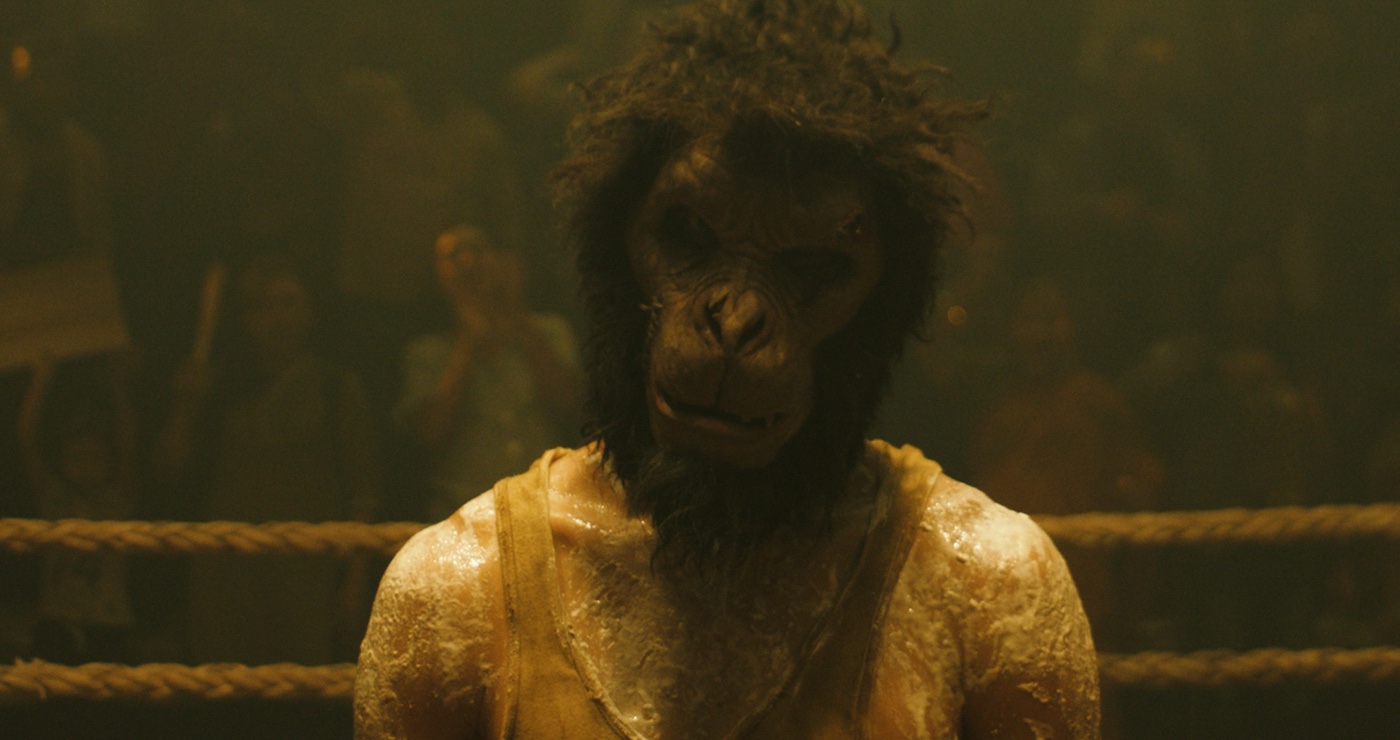

In the realm of filmmaking, behind every captivating character lies a team of creative minds, meticulously crafting every detail to bring them to life on the silver screen. Among these heroes is Monkey Man mask designer, Eddie Yang, a jack-of-all-trades in the world of specialty costume design, prosthetics, and special effects.
In a candid conversation, Eddie shares his journey from a wide-eyed kid fascinated by movie monsters to becoming a revered figure in the industry. From his early experiments in his parents’ garage to working alongside legends like Stan Winston and Rick Baker, Eddie’s trajectory is one marked by passion, perseverance, and a relentless pursuit of excellence.
Throughout his illustrious career, Eddie has lent his expertise to a myriad of blockbuster films, from Iron Man to Tron, leaving an indelible mark on each project he touches. His latest endeavor, the acclaimed film Monkey Man starring Dev Patel, offered him a unique opportunity to delve into the intricate world of mask design.
In this exclusive interview, Eddie provides insights into his creative process, collaboration with directors and fellow artists, and reflections on the evolving landscape of practical and digital effects in the industry.
Monkey Man is now available to rent or buy at home
Spencer Williams: Eddie, thank you so much for taking the time to speak with me. You’ve worked on some truly incredible projects throughout your career, spanning various forms of media. From Iron Man and How the Grinch Stole Christmas to classics like Planet of the Apes, The Man of Steel, The Dark Knight Rises, and Tron, the list goes on and on. Given your extensive portfolio, I’m curious: what initially drew you to the world of specialty costumes, creatures, props, and makeup?
Eddie Yang: I was a weird kid growing up. At the age of seven, I stumbled upon a book titled Movie Monsters by Alan Ormsby. It was a revelation—it taught children how to transform themselves into classic creatures like Frankenstein and Dracula. Naturally, I spent my weekends immersed in these DIY monster transformations. My fascination with horror and monster movies only intensified as I grew older.
As I delved deeper into this world, I realized that someone was responsible for bringing these fantastical creatures to life. Initially, it was all about makeup—stage makeup, painting faces, playing with shadows. But I quickly discovered the limitations of traditional methods. This led me to explore more unconventional techniques, from nose putty to rubber prosthetics, even delving into fiberglass mechanical creations inspired by iconic films like 2001: A Space Odyssey and Greystoke: The Legend of Tarzan, Lord of the Apes.
One individual who particularly inspired me was Rick Baker. I vividly remember stumbling upon a magazine entirely dedicated to his work, aptly named CineFix. His artistry fueled my passion and propelled me into a world of experimentation. My parents were often puzzled by the peculiar smells emanating from my garage-turned-laboratory, where I tirelessly tinkered with rubber and plastics. Growing up in Los Angeles certainly had its perks. It provided ample opportunities to visit studios, showcase my portfolio, and forge valuable connections. And thus, my journey in the realm of specialty costumes, creatures, props, and makeup began—a journey that continues to this day.

Spencer Williams: You’ve crafted some remarkable costumes over the years. What prompted this shift in your career trajectory?
Eddie Yang: Our creature industry, was kind of going down in demand because of CG. When Jurassic Park came out I thought, “Oh, there’s the writing on the walls. We’re going to be extinct.” So a lot of, even prosthetic studios and creature studios, started doing specialty costumes. I started getting into digital tools, because I didn’t want to become extinct. I got a computer, I got the software. I started learning how to use this tool. I even landed some jobs in visual effects.
Then, I found myself drawn back into makeup effects from the realm of visual effects. Now, I consider myself a hybrid artist—I can sculpt in clay and digitally. One notable project that pulled me back into the fold was Iron Man. At Stan Winston’s studio, they informed me that we wouldn’t be sculpting the suit as we did with the 1980s RoboCop suit, which was sculpted out of clay. Instead, everything would be done digitally, and then printed. Then the team at Tron reached out to me. They assumed I was still with Stan’s, but I had to part ways due to the flood of calls I was receiving. I was one of the very few individuals who knew how to utilize this new technology to produce 3D printed suits. This advancement allowed for unparalleled precision and detail, pushing the boundaries of what was possible. It was an exhilarating time, and this marked the beginning of my deeper involvement in the costuming aspect of the industry. Tron became my first solo project under my own studio, where I assisted in creating the suits and more.
Spencer Williams: And that brings us to discussing Monkey Man. I absolutely adored this film—it was fantastic. Given your involvement in the mask aspect, I’m eager to learn about your collaboration process with directors and other creatives, including costume designers. How does this collaboration unfold on a project like Monkey Man?

Eddie Yang: It all started with a recommendation from another dear friend of mine, Kazu Hiro, a prosthetic makeup artist. He mentioned that he doesn’t typically make masks and suggested they reach out to me. Coincidentally, I received the call on Halloween night while I was greeting trick-or-treaters. One of the producers of Monkey Man informed me about the project, mentioning Dev Patel’s involvement, and scheduled a meeting. Needless to say, I was ecstatic, particularly because I admire Patel’s work in dramas and stylish art house films rather than horror or superhero movies. During our initial conversation, Patel shared his vision for the film, and we began discussing the mask. He even brought in a store-bought mask he was drawn to, sparking our collaboration.
Spencer Williams: As you delved into the process, what did the preparation look like for creating the monkey mask, especially considering its use in wrestling and fight scenes?
Eddie Yang: For us, the complexity of the mask wasn’t too daunting. Patel had a strong vision, presenting a picture of a lower-quality store-bought mask. However, it didn’t align with what I envisioned for the character’s quality standards. We needed to determine the level of quality he desired, considering factors like affordability and realism. So, we explored a range of designs, from basic to hyper-realistic, with about 30 to 50 iterations before finalizing the design for production.
Spencer Williams: The mask undergoes a lot of action in the film, enduring trauma like being dunked in water and tossed around. Did you anticipate this and create multiple masks?

Eddie Yang: Absolutely. We anticipated the wear and tear, so we crafted three masks with black hair and one with white hair for specific scenes. We discussed adding details like tears and blood, ensuring they reflected the character’s experiences realistically. Patel was heavily involved in these discussions, and the durable material ensured the masks held up well during filming.
Spencer Williams: It’s interesting how your past experiences, like working on the Planet of the Apes film, might have influenced your work on Monkey Man. Do you feel like those experiences informed your approach to this project?
Eddie Yang: Without a doubt. Every project adds to my knowledge base, guiding me on what works and what doesn’t. My affinity for apes and monkeys, nurtured by legends like Rick Baker, definitely played a role. Working on Mighty Joe Young during the industry’s transition to digital further enriched my skills, paving the way for projects like Monkey Man.

